
Glycemic Index and Aging: The Blood Sugar Connection
Explore the profound connection between the glycemic index, blood sugar regulation, and the aging process. Learn how dietary choices may impact longevity.
Table of Contents
DISCLAIMER
This article is for informational purposes only and does not constitute medical advice. The statements in this article have not been evaluated by the FDA. The information presented is based on published research and should not be used as a substitute for professional medical guidance. Consult your physician before starting any supplement or health protocol.
The quest for a longer, healthier life often leads us to explore the intricate relationship between our diet and the biological processes of aging. Among the myriad dietary factors under scrutiny, the impact of blood sugar regulation has emerged as a particularly compelling area of research. How quickly and how high our blood glucose levels rise after eating carbohydrates, a concept quantified by the Glycemic Index (GI), appears to play a significant role in the trajectory of our healthspan and longevity.
For decades, the scientific community has investigated the profound influence of stable blood sugar on metabolic health. However, a growing body of evidence suggests that the implications extend far beyond diabetes management, potentially influencing cellular aging, chronic disease risk, and overall vitality as we age. This article delves into the “blood sugar connection,” exploring how the glycemic index and glycemic load of our diets may silently shape our aging process and what actionable steps we can take to optimize our health.
What Are the Glycemic Index (GI) and Glycemic Load (GL)?
Understanding the Glycemic Index (GI) and Glycemic Load (GL) is fundamental to grasping their potential impact on aging. These metrics provide a way to characterize how different carbohydrate-containing foods affect our blood glucose levels.
How Does the Glycemic Index (GI) Work?
The Glycemic Index is a numerical scale that ranks carbohydrate-containing foods based on their effect on blood glucose levels over a two-hour period after consumption. Foods are compared to a reference food, typically pure glucose (GI = 100) or white bread (GI = 100). A higher GI value indicates that a food causes a more rapid and significant rise in blood sugar.
The concept was originally developed by Dr. David Jenkins and colleagues at the University of Toronto in 1981, initially to help people with diabetes manage their blood sugar (Jenkins et al., 1981; PMID: 6259925).
Foods are generally categorized into three GI groups:
- Low GI: 55 or less (e.g., most non-starchy vegetables, legumes, whole grains, fruits)
- Medium GI: 56-69 (e.g., whole wheat bread, brown rice, sweet potatoes)
- High GI: 70 or more (e.g., white bread, white rice, sugary cereals, potatoes)
What is the Glycemic Load (GL) and Why is it Important?
While GI is a useful tool, it has a limitation: it does not account for the typical portion size consumed. For example, watermelon has a high GI, but a single serving contains relatively few carbohydrates, so its overall impact on blood sugar is modest. This is where the Glycemic Load (GL) comes in.
Glycemic Load provides a more practical measure by considering both the quality (GI) and quantity (amount of carbohydrate per serving) of a food. It is calculated using the formula:
GL = (GI x grams of carbohydrate per serving) / 100
Like GI, GL values are categorized:
- Low GL: 10 or less
- Medium GL: 11-19
- High GL: 20 or more
Research suggests that GL may be a more accurate predictor of a food’s real-world effect on blood sugar and its subsequent health implications than GI alone (Brand-Miller et al., 2002; PMID: 12468407). Diets consistently high in both GI and GL have been associated with an increased risk of chronic diseases.
How Do Common Foods Compare on the Glycemic Scale?
To illustrate, consider the glycemic impact of various common foods:
| Food Item | Glycemic Index (GI) | Glycemic Load (GL) per common serving | GI Category | GL Category |
|---|---|---|---|---|
| White Bread | 75 | 10 (1 slice) | High | Low/Medium |
| Whole Wheat Bread | 69 | 9 (1 slice) | Medium | Low |
| Glucose | 100 | 10 (10g) | High | Low |
| Brown Rice (cooked) | 68 | 23 (1 cup) | Medium | High |
| White Rice (cooked) | 73 | 29 (1 cup) | High | High |
| Oatmeal (rolled, cooked) | 55 | 13 (1 cup) | Low | Medium |
| Apple | 36 | 6 (1 medium) | Low | Low |
| Banana (ripe) | 62 | 16 (1 medium) | Medium | Medium |
| Lentils (cooked) | 32 | 5 (1 cup) | Low | Low |
| Carrots (cooked) | 39 | 2 (1 cup) | Low | Low |
| Potato (boiled) | 78 | 26 (1 medium) | High | High |
| Sweet Potato (boiled) | 44 | 11 (1 medium) | Low | Medium |
| Watermelon | 76 | 4 (1 cup diced) | High | Low |
Note: GI and GL values can vary based on ripeness, cooking method, processing, and individual physiological responses.
The Biological Mechanisms: How High Blood Sugar May Accelerate Aging
Chronic exposure to elevated blood sugar levels, even within the “normal” range but consistently at the higher end, appears to contribute to several biological hallmarks of aging. This phenomenon, often referred to as “glycemic aging,” involves a complex interplay of molecular pathways.
What Role Do Advanced Glycation End-products (AGEs) Play in Aging?
One of the most well-documented mechanisms linking high blood sugar to aging is the formation of Advanced Glycation End-products (AGEs). Glycation is a non-enzymatic reaction where sugars (like glucose) bind to proteins, lipids, or nucleic acids, forming stable, irreversible compounds. When blood sugar levels are chronically elevated, this process accelerates.
AGEs accumulate in various tissues throughout the body, particularly in long-lived proteins like collagen and elastin. Their accumulation may lead to:
- Tissue stiffening: For instance, AGEs contribute to the loss of elasticity in skin, blood vessels, and other connective tissues, manifesting as wrinkles, arterial stiffness, and reduced organ function.
- Increased inflammation: AGEs can bind to specific receptors (RAGE) on cell surfaces, triggering inflammatory responses and oxidative stress, further exacerbating cellular damage.
- Organ damage: High levels of AGEs have been implicated in the development and progression of numerous age-related diseases, including cardiovascular disease, kidney disease, neurodegenerative disorders, and cataracts (Semba et al., 2010; PMID: 20689920).
How Does Hyperglycemia Contribute to Oxidative Stress and Inflammation?
Sustained high blood glucose levels are a significant driver of oxidative stress. Hyperglycemia can lead to an overproduction of reactive oxygen species (ROS) within cells, particularly in the mitochondria. This excess ROS overwhelms the body’s antioxidant defense systems, causing damage to cellular components like DNA, proteins, and lipids.
Oxidative stress, in turn, can activate pro-inflammatory pathways. Chronic low-grade inflammation, often termed “inflammaging,” is a fundamental characteristic of aging and a risk factor for many age-related diseases. Research suggests that hyperglycemia directly contributes to this inflammatory state by upregulating inflammatory cytokines and activating immune cells (Brownlee, 2005; PMID: 15728800). This vicious cycle of oxidative stress and inflammation further accelerates cellular and tissue damage.
What is the Connection Between Insulin Resistance and Age-Related Decline?
Insulin, a hormone produced by the pancreas, is crucial for regulating blood sugar. When we consume carbohydrates, insulin helps transport glucose from the bloodstream into cells for energy or storage. However, with chronic high blood sugar and repeated insulin spikes, cells can become less responsive to insulin’s signals, a condition known as insulin resistance.
Insulin resistance is a hallmark of type 2 diabetes and metabolic syndrome, but it also appears to be a common feature of aging, even in individuals without overt disease. This condition may contribute to:
- Further elevated blood sugar: As cells resist insulin, glucose remains in the bloodstream, leading to higher and more prolonged blood sugar levels.
- Increased fat storage: Insulin resistance can promote fat accumulation, particularly visceral fat, which is metabolically active and contributes to inflammation.
- Impaired cellular function: Insulin signaling pathways are involved in various cellular processes, including growth, repair, and metabolism. Disruptions in these pathways due to resistance may contribute to cellular dysfunction and accelerated aging.
- Mitochondrial dysfunction: Some research indicates that insulin resistance is linked to impaired mitochondrial function, which can reduce energy production and increase oxidative stress, thereby impacting cellular health and longevity.
Can Glycemic Control Impact Telomere Shortening?
Telomeres are protective caps at the ends of our chromosomes, crucial for maintaining genomic stability. Each time a cell divides, telomeres naturally shorten. Critically short telomeres can trigger cellular senescence (a state of permanent growth arrest) or apoptosis (programmed cell death), both of which contribute to tissue aging and dysfunction.
Emerging research suggests a potential link between chronic hyperglycemia and accelerated telomere shortening. High blood sugar, through mechanisms like oxidative stress and inflammation, may contribute to faster telomere attrition. A systematic review indicated that diets with a higher glycemic index might be associated with shorter telomere length, although more robust prospective studies are needed to confirm this association (Xu et al., 2018; PMID: 29598263). Maintaining stable blood sugar levels may therefore be a strategy to support telomere integrity.
Evidence Connecting Glycemic Control to Longevity and Healthspan
A substantial body of epidemiological and interventional research points to the benefits of good glycemic control for extending both lifespan and healthspan. The implications of a high-GI/GL diet appear to extend to numerous age-related diseases.
Glycemic Index and Cardiovascular Disease Risk
Cardiovascular disease (CVD) remains a leading cause of morbidity and mortality worldwide, especially among older adults. High intake of rapidly digestible carbohydrates, leading to chronic hyperglycemia and hyperinsulinemia, has been linked to several risk factors for CVD, including dyslipidemia (unhealthy cholesterol levels), hypertension, and endothelial dysfunction.
A systematic review and meta-analysis of prospective cohort studies indicated that diets with a higher glycemic index and glycemic load were associated with an increased risk of cardiovascular disease, including coronary heart disease and stroke (Jenkins et al., 2008; PMID: 18789974). This suggests that managing the glycemic impact of our diet may be a critical strategy for maintaining heart health as we age.
The Role of Glycemic Control in Preventing Type 2 Diabetes
The most direct link between glycemic control and chronic disease is with type 2 diabetes. Sustained high blood sugar and insulin resistance are the hallmarks of this condition. A consistent pattern of high-GI/GL food consumption places a continuous strain on the pancreas, eventually leading to impaired insulin production and full-blown diabetes.
Numerous studies have demonstrated that adopting a low-GI or low-GL dietary pattern can significantly reduce the risk of developing type 2 diabetes. For individuals already diagnosed, low-GI diets have been shown to improve glycemic control, reduce HbA1c levels, and decrease the need for medication (Sonnichsen et al., 2021; PMID: 34563853). This highlights the preventative and management power of glycemic control.
Glycemic Impact on Neurodegenerative Diseases and Cognitive Function
The brain, despite making up only 2% of body weight, consumes approximately 20% of the body’s glucose. Chronic fluctuations in blood sugar and insulin resistance are increasingly recognized as contributors to cognitive decline and an increased risk for neurodegenerative diseases, particularly Alzheimer’s disease, which some researchers refer to as “Type 3 Diabetes.”
Research suggests that diets high in GI and GL may negatively impact cognitive function. A meta-analysis of observational studies found an association between higher dietary glycemic index and glycemic load and an increased risk of cognitive decline (Augustin et al., 2015; PMID: 26038481). The mechanisms may involve increased oxidative stress, inflammation, and AGE formation in brain tissue, along with impaired glucose metabolism and insulin signaling within neurons.
Other Age-Related Conditions Potentially Affected by Glycemic Control
Beyond cardiovascular disease, diabetes, and cognitive decline, glycemic control may influence a range of other age-related conditions:
- Certain Cancers: Some evidence suggests a link between high-GI/GL diets, chronic hyperinsulinemia, and an increased risk for certain cancers, including colorectal, breast, and pancreatic cancers. Insulin is a growth factor, and chronically elevated levels may promote cell proliferation.
- Kidney Disease: The kidneys are particularly vulnerable to damage from chronic high blood sugar and AGE accumulation, which can lead to diabetic nephropathy, a leading cause of kidney failure.
- Eye Health: Conditions like cataracts and diabetic retinopathy are also exacerbated by poor glycemic control and AGE formation.
- Bone Health: Chronic metabolic acidosis resulting from high-protein, high-acid diets, sometimes associated with high-GI carbohydrate intake, may contribute to bone mineral loss.
Practical Strategies for Incorporating Low-GI Principles into Your Diet
Adopting a low-GI eating pattern does not require a radical overhaul but rather a conscious shift in food choices and preparation methods. The goal is to minimize rapid blood sugar spikes and maintain more stable glucose levels throughout the day.
What Are the Best Food Choices for a Low-GI Diet?
Focusing on whole, unprocessed foods is the cornerstone of a low-GI approach:
- Prioritize Non-Starchy Vegetables: Load up on leafy greens (spinach, kale), broccoli, cauliflower, bell peppers, zucchini, and tomatoes. These are generally very low in GI and rich in fiber and micronutrients.
- Choose Whole Grains Over Refined: Opt for steel-cut oats, quinoa, barley, buckwheat, and whole-grain breads with intact grains. Avoid highly processed white breads, pastries, and sugary cereals.
- Embrace Legumes: Beans (black beans, kidney beans, chickpeas), lentils, and peas are excellent sources of complex carbohydrates, protein, and fiber, resulting in a low GI.
- Select Low-GI Fruits: Berries (strawberries, blueberries, raspberries), apples, pears, oranges, and grapefruit are generally lower in GI than tropical fruits like mangoes or very ripe bananas.
- Include Lean Proteins and Healthy Fats: While not directly contributing to GI, protein and fat help slow down the absorption of carbohydrates, further mitigating blood sugar spikes. Examples include fish, poultry, eggs, nuts, seeds, avocados, and olive oil.
- Dairy and Dairy Alternatives: Plain yogurt (especially Greek yogurt), milk, and unsweetened plant-based milks tend to have a lower GI.
How Do Cooking Methods Affect a Food’s Glycemic Index?
The way you prepare food can significantly alter its glycemic response:
- Minimize Overcooking: Overcooked pasta, rice, and vegetables tend to have a higher GI because their starches become more readily digestible. Aim for al dente pasta and firm-tender vegetables.
- Cooling and Reheating Starches: For some starchy foods like potatoes, rice, and pasta, cooling them after cooking can increase their resistant starch content, which acts like fiber and lowers their GI. Reheating them may not completely reverse this effect.
- Processing Matters: The more a food is processed (e.g., finely ground flour vs. whole kernels), the higher its GI tends to be. Whole, intact foods require more digestion and lead to a slower glucose release.
Why Are Food Combinations Important for Glycemic Control?
Pairing carbohydrates with other macronutrients can significantly moderate the overall glycemic response of a meal:
- Add Protein: Consuming protein alongside carbohydrates can slow gastric emptying and reduce the rate at which glucose enters the bloodstream. For example, have an apple with a handful of almonds, or whole-grain toast with eggs.
- Include Healthy Fats: Similar to protein, healthy fats can delay carbohydrate digestion and absorption, leading to a more gradual rise in blood sugar. Think avocado with whole-grain crackers or olive oil dressing on a salad with legumes.
- Boost Fiber: Fiber, especially soluble fiber, forms a gel-like substance in the digestive tract, slowing down sugar absorption. Always try to pair carbohydrates with fiber-rich foods like vegetables, legumes, and whole fruits (with skin).
The Role of Portion Control and Hydration
- Portion Control (GL Focus): Even low-GI foods can elevate blood sugar if consumed in very large quantities. This is where Glycemic Load becomes crucial. Be mindful of serving sizes, especially for carbohydrate-dense foods, to keep your overall GL in check.
- Stay Hydrated: Drinking plenty of water throughout the day is essential for overall metabolic health. While it doesn’t directly alter GI, proper hydration supports efficient nutrient transport and waste removal.
How Does Meal Timing Influence Blood Sugar?
While less directly related to GI, the timing and frequency of meals can also impact blood sugar stability:
- Regular Meals: Eating regular, balanced meals may help prevent large swings in blood sugar.
- Avoid Skipping Meals: Skipping meals can sometimes lead to overeating later, potentially resulting in larger blood sugar spikes.
- Consider Intermittent Fasting: For some individuals, intermittent fasting (e.g., time-restricted eating) may improve insulin sensitivity and glycemic control, though individual responses can vary. (This relates to concepts explored in articles like “intermittent-fasting-aging-research”).
Who Benefits Most from a Low-GI Approach?
While a low-GI eating pattern may offer broad benefits for nearly everyone seeking to optimize their health and longevity, certain groups may find it particularly impactful.
Individuals with Pre-diabetes or Type 2 Diabetes
For those diagnosed with pre-diabetes, characterized by higher-than-normal blood sugar levels that aren’t yet high enough to be type 2 diabetes, a low-GI diet can be a powerful intervention. It may help prevent the progression to full-blown diabetes by improving insulin sensitivity and reducing the burden on the pancreas. Similarly, individuals with type 2 diabetes often find that managing their GI and GL helps them achieve better glycemic control, reduce HbA1c levels, and potentially decrease their reliance on medication.
Those at Risk for Metabolic Syndrome
Metabolic syndrome is a cluster of conditions—increased blood pressure, high blood sugar, excess body fat around the waist, and abnormal cholesterol or triglyceride levels—that occur together, increasing your risk of heart disease, stroke, and type 2 diabetes. Since high-GI/GL diets are strongly linked to many components of metabolic syndrome, adopting a low-GI approach can be a strategic move to mitigate these risks.
Anyone Seeking to Optimize Long-Term Health and Longevity
Even individuals who are currently healthy and have no overt metabolic issues can benefit from considering the glycemic impact of their diet. By reducing chronic low-grade inflammation, oxidative stress, and AGE formation, a low-GI diet may contribute to:
- Slower Biological Aging: Potentially impacting cellular repair mechanisms and telomere health.
- Reduced Risk of Chronic Diseases: Proactively lowering the likelihood of developing cardiovascular disease, certain cancers, and neurodegenerative conditions later in life.
- Improved Energy Levels and Weight Management: Stable blood sugar can lead to more consistent energy throughout the day and may support healthy weight maintenance by reducing cravings and promoting satiety.
Limitations and Nuances of the Glycemic Index Concept
While the GI and GL are valuable tools, it is important to recognize their limitations and use them as part of a broader, holistic approach to nutrition.
Individual Variability in Glycemic Response
It’s crucial to acknowledge that individual responses to the same food can vary significantly. Factors such as genetics, gut microbiome composition, time of day, sleep quality, stress levels, and even the combination of foods eaten at a single meal can influence how a person’s blood sugar reacts. Continuous glucose monitors (CGMs) are increasingly revealing these personalized responses, highlighting that a “one-size-fits-all” GI value may not perfectly apply to every individual.
Focusing on the Whole Diet Pattern, Not Just Single Foods
An overemphasis on a food’s GI in isolation can be misleading. For instance, a chocolate bar might have a lower GI than a baked potato due to its fat content slowing sugar absorption, but the chocolate bar is clearly not the healthier choice due to its high sugar, saturated fat, and low nutrient density. The overall nutritional quality of the diet, including its balance of macronutrients, micronutrients, and phytochemicals, is paramount. A low-GI diet should ideally be rich in whole, unprocessed foods, not just foods that happen to have a low GI due to high fat
Frequently Asked Questions
What is the primary difference between Glycemic Index (GI) and Glycemic Load (GL)?
Can adopting a low-GI diet reverse existing age-related conditions?
Are there any downsides or considerations when following a low-GI approach?
Sources
- Glycemic index of foods: a physiological basis for carbohydrate exchange.(1981)
- The glycemic index and chronic disease.(2002)
- The pathobiology of diabetic complications: a unifying mechanism.(2005)
- Glycemic index, glycemic load, and cardiovascular disease: a systematic review and meta-analysis.(2008)
- Advanced glycation end products and their association with health status in older adults.(2010)
- Dietary glycemic index and glycemic load and risk of cognitive decline: a meta-analysis.(2015)
- Dietary Glycemic Index and Telomere Length: A Systematic Review.(2018)
- The Effect of Low Glycemic Index Diets on Type 2 Diabetes Mellitus: A Systematic Review and Meta-Analysis of Randomized Controlled Trials.(2021)
Stay Updated on Longevity Science
Weekly research digests. No spam, unsubscribe anytime.
Related Articles
AGEs in Your Diet: How Advanced Glycation End Products Accelerate Aging
Advanced glycation end products in food may accelerate aging. Learn which foods are highest in AGEs and how cooking methods affect your aging rate.
9 min read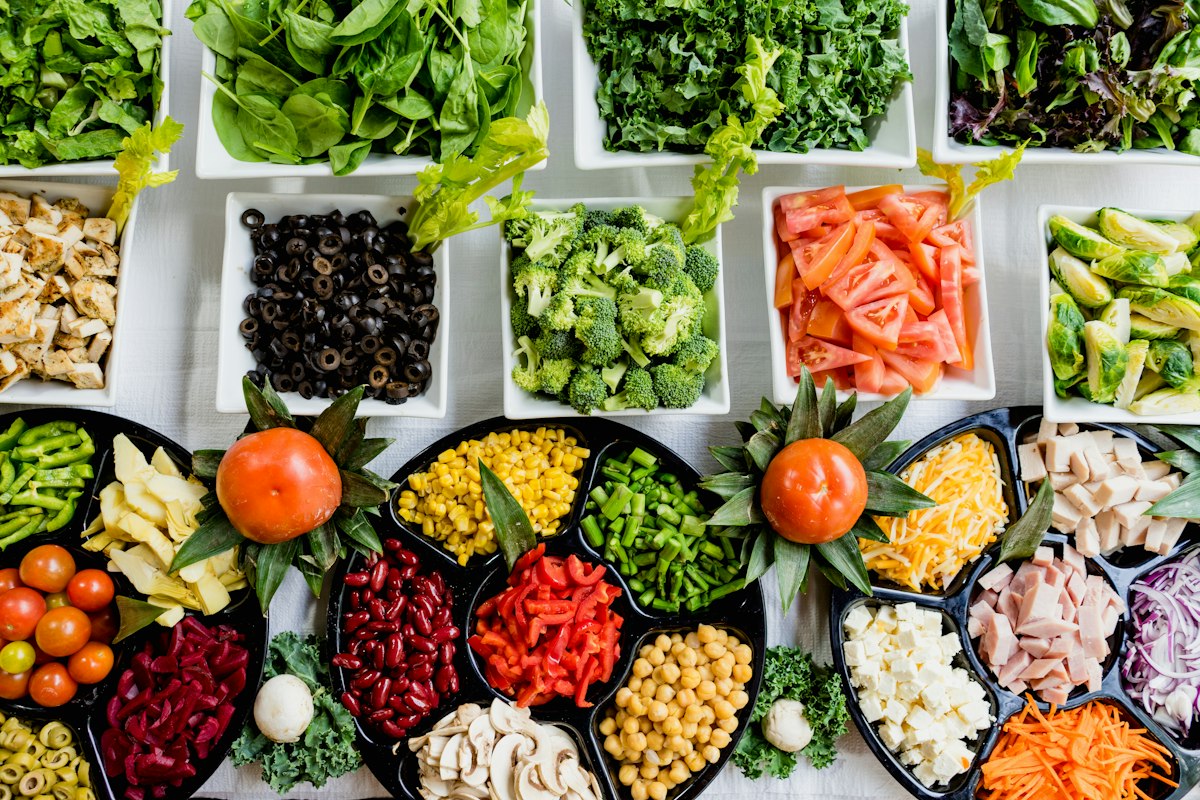
Anti-Aging Breakfast Ideas: Start Your Day With Longevity-Supporting Foods
Science-backed anti-aging breakfast ideas that support longevity. Learn which morning foods may promote healthy aging through nutrition research.
8 min read
Science-Backed Anti-Aging Foods: What to Eat
Discover the top science-backed anti-aging foods that may slow biological aging, from berries to leafy greens and fatty fish.
9 min read