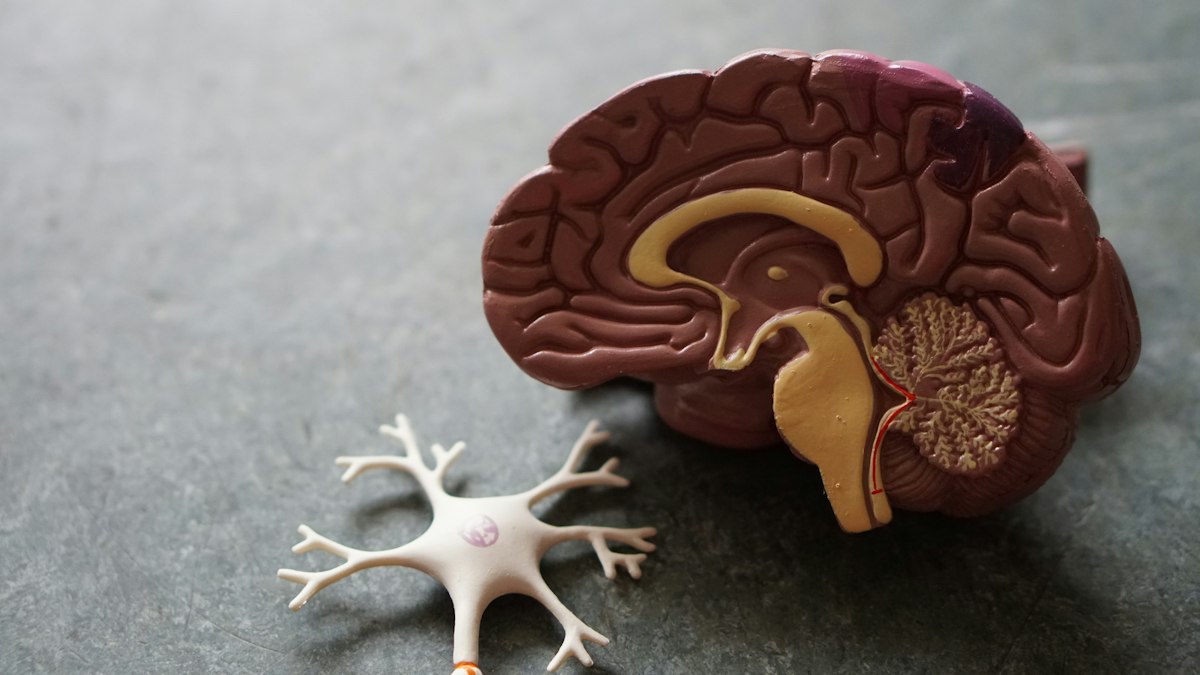
Meditation and Brain Aging: What Neuroscience Research Shows
Explore how neuroscience research suggests meditation may influence brain structure and function, potentially mitigating aspects of age-related cognitive decline.
Table of Contents
DISCLAIMER
This article is for informational purposes only and does not constitute medical advice. The statements in this article have not been evaluated by the FDA. The information presented is based on published research and should not be used as a substitute for professional medical guidance. Consult your physician before starting any supplement or health protocol.
The quest for sustained cognitive vitality throughout life is a central theme in longevity research. As the global population ages, understanding strategies to maintain brain health and mitigate age-related cognitive decline has become paramount. Among the various lifestyle interventions garnering scientific attention, meditation, a practice rooted in ancient traditions, has emerged as a compelling area of study.
Neuroscience research is increasingly exploring how meditative practices might influence brain structure, function, and overall cognitive well-being, potentially offering insights into its role in healthy brain aging. This article delves into the current scientific understanding, examining what studies suggest about meditation’s impact on the aging brain, from neuroanatomical changes to cognitive enhancements and stress reduction.
The Aging Brain: A Landscape of Change
Before exploring meditation’s potential influence, it’s crucial to understand the typical trajectory of brain aging. As individuals age, the brain undergoes a series of complex, multifaceted changes. These can include:
- Volume Reduction: A gradual decrease in brain volume, particularly in regions like the prefrontal cortex and hippocampus, which are critical for executive function and memory (Raz et al., 2005).
- Cortical Thinning: A reduction in the thickness of the cerebral cortex, the outer layer of the brain responsible for higher-level cognitive processes.
- White Matter Degeneration: Deterioration of white matter integrity, which can impair the speed and efficiency of neural communication.
- Neurochemical Shifts: Alterations in neurotransmitter systems, affecting mood, motivation, and cognitive processing.
- Increased Neuroinflammation: A heightened inflammatory state within the brain, which may contribute to neuronal damage and cognitive impairment.
- Accumulation of Pathologies: In some individuals, the accumulation of abnormal protein deposits, such as amyloid plaques and tau tangles, associated with neurodegenerative diseases like Alzheimer’s.
- Cognitive Decline: While not universal, many individuals experience a decline in certain cognitive functions, including processing speed, working memory, and fluid intelligence, though crystallized intelligence often remains stable or improves.
These age-related changes are not uniform across individuals, and lifestyle factors are increasingly recognized as significant modulators of the aging process.
What is Meditation? Exploring Key Practices
Meditation encompasses a diverse range of mental training practices designed to promote states of relaxation, heightened awareness, and focused attention. While many forms exist, neuroscience research has primarily focused on a few key categories:
- Mindfulness Meditation: This practice involves paying non-judgmental attention to the present moment, observing thoughts, feelings, bodily sensations, and external stimuli without getting carried away by them. It often emphasizes awareness of breath as an anchor.
- Focused Attention (FA) Meditation: Practitioners concentrate on a specific object, such as the breath, a mantra, or a visual image, and gently redirect attention whenever the mind wanders.
- Open Monitoring (OM) Meditation: Once a state of focused attention is achieved, OM involves maintaining a broad, non-reactive awareness of all experiences without focusing on any particular one.
- Compassion and Loving-Kindness Meditation (LKM): These practices cultivate feelings of warmth, empathy, and goodwill towards oneself and others, often involving specific visualizations or phrases.
While distinct, these practices often share common elements, such as attention regulation and emotional processing, which are believed to underlie their potential brain-modulating effects.
Neuroanatomical Changes: Does Meditation Alter Brain Structure?
One of the most compelling areas of research involves investigating whether meditation practice can lead to measurable changes in brain structure. A growing body of evidence, primarily from magnetic resonance imaging (MRI) studies, suggests that regular meditation may be associated with alterations in several key brain regions.
Gray Matter Volume and Cortical Thickness
Several studies have explored the impact of meditation on gray matter, the tissue containing neuronal cell bodies, dendrites, and unmyelinated axons. A seminal study by Hölzel et al. (2011) examined participants before and after an 8-week Mindfulness-Based Stress Reduction (MBSR) program. The researchers observed increases in gray matter density in several brain regions, including the hippocampus (involved in learning and memory), the posterior cingulate cortex (involved in self-relevance and mind-wandering), the temporo-parietal junction (associated with perspective-taking and empathy), and the cerebellum. Notably, the amygdala, a region associated with fear and anxiety, showed a decrease in gray matter density, correlating with reduced stress levels (Hölzel et al., 2011; PMID: 21029428).
Similarly, Luders et al. (2009) investigated long-term meditators and found larger gray matter volumes in areas such as the right anterior insula and orbitofrontal cortex, as well as increased cortical thickness in parts of the prefrontal cortex, regions implicated in attention, interoception, and emotional regulation (Luders et al., 2009; PMID: 19162230). These findings suggest that sustained practice may contribute to the preservation or even enhancement of gray matter in crucial cognitive and emotional processing centers.
A systematic review and meta-analysis by Fox et al. (2014) synthesized findings from numerous morphometric neuroimaging studies. They concluded that meditation is indeed associated with alterations in brain structure, particularly in areas related to meta-awareness, body-awareness, memory consolidation, self-regulation, and emotion regulation. While the exact causal mechanisms require further elucidation, the consistency across studies points to a potential neuroplastic effect of meditation (Fox et al., 2014; PMID: 24705353).
White Matter Integrity
Beyond gray matter, research also hints at meditation’s potential influence on white matter, the brain’s “wiring” that facilitates communication between different regions. Some studies suggest that meditation may promote the integrity of white matter tracts. For instance, processes like myelination (the insulation of nerve fibers) and axonal density could be influenced, potentially leading to more efficient neural signaling. While this area requires more dedicated research, initial findings suggest that meditation may help maintain or improve connectivity, which is crucial for overall brain function and resilience against age-related decline.
Neurochemical and Neurophysiological Effects: How Does Meditation Influence Brain Function?
Beyond structural changes, meditation appears to exert its effects through complex neurochemical and neurophysiological pathways, influencing how the brain operates at a functional level.
Neurotransmitter Modulation
Meditation may modulate the activity of several neurotransmitters, the chemical messengers of the brain:
- Serotonin: Often linked to mood, well-being, and sleep, increased serotonin activity could contribute to the reported mood-enhancing and anxiety-reducing effects of meditation.
- Dopamine: Involved in reward, motivation, and attention, dopamine modulation might play a role in the enhanced focus and sense of calm experienced during and after meditation.
- GABA (Gamma-Aminobutyric Acid): The primary inhibitory neurotransmitter, GABA helps calm neural activity. Meditation may increase GABAergic tone, contributing to reduced anxiety and improved relaxation.
- Norepinephrine: While acute stress increases norepinephrine, meditation may help regulate its release, leading to a more balanced physiological state.
Brainwave Activity and Connectivity
Electroencephalography (EEG) studies have provided insights into how meditation alters brainwave patterns:
- Alpha Waves: Often associated with relaxed wakefulness and a calm state, meditation practitioners frequently exhibit increased alpha wave activity, particularly in frontal and central brain regions.
- Theta Waves: Linked to deep relaxation, creativity, and access to subconscious material, theta activity may also increase during certain meditative states.
- Gamma Waves: These high-frequency oscillations are associated with heightened awareness, information integration, and cognitive processing. Some studies, particularly with advanced meditators, have reported increases in gamma wave power and synchronization, suggesting enhanced neural efficiency and integration during intense focus (Lutz et al., 2004).
Furthermore, functional MRI (fMRI) studies indicate that meditation can alter functional connectivity between brain regions. For example, it may reduce connectivity within the Default Mode Network (DMN), a network active during mind-wandering and self-referential thought, while increasing connectivity in networks associated with attention and executive control. This shift could explain improved focus and reduced rumination.
Neuroplasticity and BDNF
Neuroplasticity, the brain’s ability to reorganize itself by forming new neural connections throughout life, is fundamental to learning and adaptation. Meditation appears to be a potent activator of neuroplastic processes. Brain-Derived Neurotrophic Factor (BDNF), a protein crucial for neuronal growth, survival, and synaptic plasticity, has been implicated. While direct human studies linking meditation to BDNF levels in the brain are challenging, some research suggests that practices that reduce stress and improve mood, like meditation, may indirectly support BDNF production, thereby promoting brain health and resilience (Kandola et al., 2018).
Inflammation and Oxidative Stress
Chronic low-grade inflammation and oxidative stress are recognized contributors to brain aging and neurodegenerative diseases. Research suggests that meditation may exert anti-inflammatory and antioxidant effects. Rosenkranz et al. (2016) conducted a randomized controlled trial showing that MBSR training could modulate inflammatory responses to a stressor. Participants in the MBSR group exhibited reduced pro-inflammatory gene expression in immune cells compared to a control group, alongside changes in neural responses to stress. This suggests that meditation may help regulate the body’s inflammatory pathways, which could have downstream benefits for brain health (Rosenkranz et al., 2016; PMID: 27078864). By potentially mitigating these detrimental processes, meditation may contribute to a healthier brain aging trajectory.
Cognitive Benefits: Can Meditation Sharpen the Aging Mind?
Perhaps one of the most exciting implications of meditation research for longevity is its potential to preserve or enhance cognitive functions that typically decline with age.
Attention and Focus
Age-related declines in sustained attention and selective attention are common. Meditation, particularly focused attention practices, inherently trains these capacities. Studies have consistently shown that meditators exhibit improved attention span, faster reaction times, and better performance on tasks requiring sustained focus. This is thought to be mediated by strengthening neural networks involved in attentional control, such as the dorsal attention network.
Memory (Working and Long-Term)
While specific effects can vary, research suggests meditation may positively impact different facets of memory. Working memory, essential for holding and manipulating information in the short term, appears to benefit from meditation training. By improving attentional control and reducing mind-wandering, meditation may enhance the brain’s capacity to retain and process information. Regarding long-term memory, particularly episodic memory (memory for events), some studies indicate improvements, potentially linked to meditation’s effects on the hippocampus and its role in memory consolidation. For example, a systematic review by Gard et al. (2014) highlighted several studies suggesting that meditation practices may improve various aspects of cognitive function, including memory, in older adults (Gard et al., 2014; PMID: 24329068).
Executive Function
Executive functions, including planning, problem-solving, decision-making, and cognitive flexibility, are complex skills largely mediated by the prefrontal cortex. These functions are particularly vulnerable to age-related decline. Meditation, by training self-regulation and attention, appears to bolster these capacities. Practitioners often show improved ability to switch tasks, inhibit impulsive responses, and maintain goal-directed behavior.
Emotional Regulation
Emotional regulation, the ability to manage and respond to emotional experiences adaptively, is crucial for psychological well-being throughout life. Meditation, especially mindfulness and compassion practices, enhances emotional regulation by fostering a non-reactive stance towards thoughts and feelings. This can lead to reduced emotional reactivity, increased positive affect, and greater psychological resilience, all of which indirectly support cognitive health and reduce the burden of stress on the aging brain.
Stress Reduction and Brain Health: A Critical Link
The link between chronic stress and accelerated brain aging is well-established. Prolonged exposure to stress hormones like cortisol can lead to hippocampal atrophy, impaired neurogenesis, and increased inflammation, all contributing to cognitive decline. Meditation’s profound capacity for stress reduction is thus a critical mechanism through which it may support brain longevity.
By activating the parasympathetic nervous system, meditation promotes a “rest and digest” state, counteracting the “fight or flight” response. This physiological shift leads to:
- Reduced Cortisol Levels: Consistent meditation practice may lower circulating cortisol levels, protecting the brain from its detrimental effects.
- Improved Autonomic Balance: A better balance between the sympathetic and parasympathetic nervous systems, leading to reduced physiological arousal.
- Enhanced Stress Coping: An improved ability to respond to stressors with greater calm and less reactivity, reducing the cumulative wear and tear on the brain.
The beneficial impact of meditation on stress is not merely subjective. Studies by Prakash et al. (2012) demonstrated that older adults participating in an MBSR program reported significant reductions in psychological distress and improvements in well-being (Prakash et al., 2012; PMID: 22002344). This reduction in chronic stress is a powerful protective factor for the aging brain.
Specific Conditions: Meditation’s Potential Role in Neurodegenerative Diseases?
While meditation is not a therapy for neurodegenerative diseases, research is exploring its potential to support individuals with cognitive challenges and perhaps even influence disease progression markers in certain contexts. It’s crucial to approach this area with caution and emphasize that meditation is a complementary practice, not a primary intervention.
Mild Cognitive Impairment (MCI)
Mild Cognitive Impairment (MCI) is a stage between the expected cognitive decline of normal aging and the more severe decline of dementia. Individuals with MCI are at higher risk of developing Alzheimer’s disease. Several studies have investigated mindfulness-based interventions for individuals with MCI or subjective cognitive decline (SCD), where individuals report memory problems but perform normally on cognitive tests. For example, Wells et al. (2016) conducted a pilot randomized controlled trial on older adults with SCD, showing that MBSR could improve self-reported cognitive failures and reduce stress (Wells et al., 2016; PMID: 27533658). These findings suggest that meditation may help manage symptoms, reduce stress associated with cognitive concerns, and potentially improve cognitive resilience in these vulnerable populations.
Alzheimer’s and Dementia
For established Alzheimer’s disease or other forms of dementia, meditation’s role is primarily seen in supporting caregivers and potentially improving the quality of life or managing behavioral symptoms in patients, rather than reversing or preventing the disease itself. However, by addressing risk factors like chronic stress, inflammation, and cardiovascular health (indirectly through stress reduction and lifestyle choices), meditation may contribute to a reduced risk profile for dementia in the general population. The neuroplastic changes and cognitive enhancements observed in healthy meditators might also build cognitive reserve, making the brain more resilient to pathological changes. More extensive, long-term randomized controlled trials are needed to fully understand any direct impact on the progression or incidence of neurodegenerative diseases.
Longitudinal Studies and Dosage: What Does the Evidence Suggest for Long-Term Practice?
The duration and consistency of meditation practice appear to be critical factors in realizing its potential benefits for brain aging. While even short-term interventions (e.g., 8-week MBSR programs) have shown measurable changes, longitudinal studies involving long-term meditators often reveal more pronounced and widespread structural and functional differences in the brain.
A systematic review by López-González et al. (2020) specifically examined the effects of long-term meditation practice on brain structure and function in older adults. Their findings indicated that experienced older meditators often exhibit less age-related gray matter atrophy and better cognitive performance compared to age-matched non-meditators (López-González et al., 2020; PMID: 31084224). This suggests that consistent, sustained practice over years may confer protective effects against typical age-related brain changes.
Table: Short-Term vs. Long-Term Meditation Effects on Brain Aging (Research Indications)
| Feature | Short-Term Meditation (e.g., 8-12 weeks) | Long-Term Meditation (e.g., years of practice) |
|---|---|---|
| Gray Matter | Modest increases in specific regions (e.g., hippocampus, insula), amygdala reduction. | More widespread and sustained preservation of gray matter volume/cortical thickness, potentially less age-related atrophy. |
| White Matter | Limited direct evidence, potential early signs of improved connectivity. | Emerging evidence suggesting maintained or improved white matter integrity. |
| Cognitive Function | Improvements in attention, working memory, stress reduction. | More robust and widespread enhancements across attention, memory, executive functions; greater cognitive resilience. |
| Emotional Regulation | Significant reductions in stress, anxiety, improved mood. | Deeper emotional stability, reduced reactivity, heightened compassion and empathy. |
| Brain Networks | Reduced DMN activity, increased attention network connectivity. | More stable and efficient functional connectivity patterns. |
| Neuroplasticity | Initiation of neuroplastic changes. | More profound and enduring neuroplastic adaptations. |
Dosage: While there’s no universally prescribed “dosage,” research suggests that even short daily practices (e.g., 10-20 minutes) can be beneficial if maintained consistently. For more significant structural changes, more intensive and prolonged practice, such as that seen in dedicated meditators, appears to yield more pronounced results. The key takeaway is often consistency over intensity, especially for beginners.
Practical Takeaways: Integrating Meditation into Your Longevity Lifestyle
For individuals interested in leveraging meditation for brain health and longevity, here are some actionable steps and considerations:
- Start Small and Be Consistent: Begin with short daily sessions, perhaps 5-10 minutes. Consistency is often more important than duration. Make it a regular part of your routine, like brushing your teeth.
- Explore Different Types: While mindfulness is well-researched, try different forms like focused attention on breath, body scan meditations, or loving-kindness practices. Find what resonates with you.
- Utilize Guided Meditations: Apps (e.g., Calm, Headspace, Insight Timer) and online resources offer guided meditations that can be invaluable for beginners, providing structure and support.
- Integrate Mindfulness into Daily Life: Beyond formal sitting practice, cultivate mindfulness in everyday activities like eating, walking, or listening. This extends the benefits beyond formal sessions.
- Be Patient and Non-Judgmental: Meditation is a skill that develops over time. Expect your mind to wander; the practice is in gently bringing it back without self-criticism.
- Consider a Program: An 8-week MBSR course can provide a strong foundation and deeper understanding of mindfulness principles and practices.
- Combine with Other Longevity Habits: Meditation’s benefits are likely amplified when combined with other brain-healthy lifestyle choices, such as regular physical exercise, a nutrient-dense diet, adequate sleep, and strong social connections.
Challenges and Future Directions in Research
Despite promising findings, the field of meditation and brain aging research faces several challenges:
- Methodological Heterogeneity: Studies vary widely in meditation type, duration, participant demographics, and neuroimaging techniques, making direct comparisons difficult.
- Self-Selection Bias: Many studies comparing meditators to non-meditators may be influenced by self-selection, as individuals who choose to meditate might already possess certain traits or engage in other healthy behaviors.
- Placebo Effects: The subjective nature of meditation can make it challenging to control for placebo effects, although randomized controlled trials with active control groups help mitigate this.
- Longitudinal Data: While some longitudinal studies exist, more are needed to track brain changes over decades and establish clearer causal links between meditation and long-term brain health outcomes.
- Mechanism Elucidation: Further research is required to fully unravel the precise molecular and cellular mechanisms underlying meditation’s neuroplastic and cognitive effects.
Future research will likely focus on larger, well-controlled longitudinal studies, investigating specific meditation techniques, exploring dose-response relationships, and examining the interaction of meditation with genetic factors and other lifestyle interventions. The use of advanced neuroimaging techniques and molecular biomarkers will continue to refine our understanding.
Conclusion
The growing body of neuroscience research suggests that meditation may be a powerful tool in promoting healthy brain aging. Studies indicate that consistent practice may be associated with beneficial changes in brain structure, including increased gray matter density and cortical thickness in regions vital for memory, attention, and emotional regulation. Functionally, meditation appears to modulate neurotransmitter systems, alter brainwave activity, enhance neuroplasticity, and reduce inflammation and oxidative stress.
These neurobiological shifts are thought to underpin the observed cognitive benefits, such as improved attention, memory, executive functions, and emotional regulation, which are critical for maintaining cognitive vitality throughout life. Furthermore, meditation’s well-established capacity to reduce chronic stress offers a significant protective effect against age-related brain decline.
While meditation is not presented as a “cure” or “guarantee” against brain aging or neurodegenerative diseases, the evidence points to its potential as a valuable, non-pharmacological intervention for supporting brain health and fostering cognitive resilience. As research continues to unfold, integrating meditation into a holistic longevity lifestyle may offer a proactive strategy for nurturing the aging mind and enhancing overall well-being. The journey towards a sharper, more resilient brain may well begin with a simple, consistent practice of mindful awareness.
Frequently Asked Questions
Can meditation reverse brain aging?
How long do I need to meditate to see brain benefits?
Is one type of meditation better for brain aging than others?
Can meditation prevent Alzheimer's disease?
Sources
- Mindfulness practice leads to increases in regional brain gray matter density(2011)
- The underlying anatomical correlates of long-term meditation: larger hippocampal and frontal volumes of experienced meditators(2009)
- Is meditation associated with altered brain structure? A systematic review and meta-analysis of morphometric neuroimaging in meditation practitioners(2014)
- The potential effects of meditation on age-related cognitive decline: a systematic review(2014)
- A comparison of mindfulness-based stress reduction and an active control in modulating neural responses to a stressor: A randomized controlled trial(2016)
- The effects of long-term meditation practice on brain structure and function in older adults: A systematic review(2020)
- Mindfulness-Based Stress Reduction for Older Adults with Subjective Cognitive Decline: A Pilot Randomized Controlled Trial(2016)
- Mindfulness-based stress reduction and well-being in older adults: a randomized controlled trial(2012)
Stay Updated on Longevity Science
Weekly research digests. No spam, unsubscribe anytime.
Related Articles

Circadian Amplitude and Healthy Aging: Why Strong Daily Rhythms Matter
Explore circadian amplitude healthy aging research and learn why stronger daily light, sleep, activity, and meal rhythms may support long-term resilience.
10 min read
Alcohol and Aging: What the Latest Research Says
A review of the latest research on alcohol's effects on aging, biological age, disease risk, and longevity, including evolving views on moderate drinking.
9 min read
Blue Light and Aging: How Screen Time May Be Accelerating Your Biological Clock
Examine the evidence linking blue light exposure to accelerated aging through circadian disruption, retinal damage, and metabolic effects. Practical mitigation tips.
11 min read