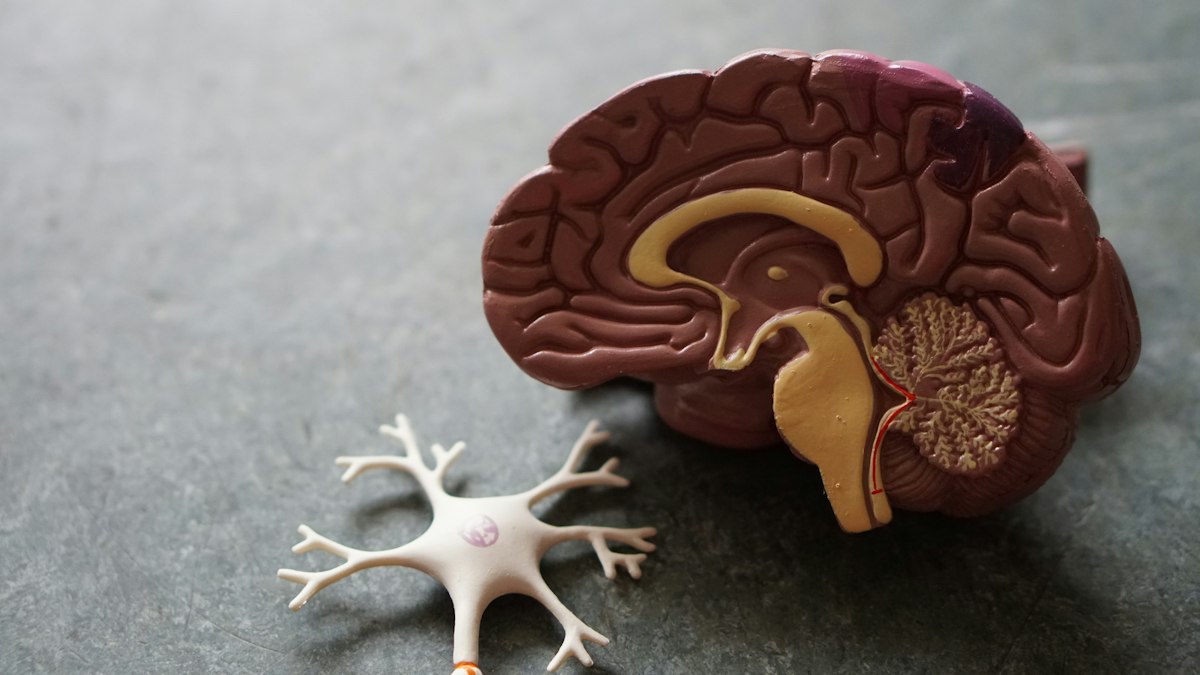
Low-Dose Lithium and Longevity: What Research Suggests
Explore the emerging science behind low-dose lithium and its potential impact on longevity, neuroprotection, and cellular health.
Table of Contents
SUPPLEMENT NOTICE
The supplements discussed in this article are not intended to diagnose, treat, cure, or prevent any disease. Dosages mentioned reflect those used in specific research studies and should not be interpreted as recommendations. Always consult a healthcare professional before beginning any supplement regimen, especially if you have existing health conditions or take medications.
In the landscape of longevity research, certain compounds continually emerge as subjects of intense scientific curiosity. Among them, lithium, a naturally occurring alkali metal, has garnered increasing attention, not for its well-established role in psychiatry, but for its potential as a longevity agent at significantly lower, often “microdose” levels.
For decades, lithium carbonate has been a cornerstone therapy for bipolar disorder, demonstrating remarkable efficacy in mood stabilization. However, the doses used in psychiatry are substantial and require careful medical monitoring due to potential side effects. The recent interest in low-dose lithium longevity explores a vastly different application: the potential benefits of trace amounts of this mineral, far below therapeutic psychiatric levels, for enhancing brain health, promoting cellular resilience, and potentially extending lifespan.
This article delves into the scientific evidence surrounding low-dose lithium, examining what research suggests about its mechanisms, the findings from population and animal studies, and the considerations for those interested in its potential as a longevity supplement. As an authority site on aging science, AgainYoung emphasizes a research-reporting style, utilizing hedging language and citing real PubMed studies to provide an accurate, evidence-based perspective on this intriguing compound.
What is Lithium and How Does it Differ from Pharmaceutical Doses?
Lithium is a lightweight metal found naturally in the earth’s crust, present in trace amounts in certain foods, soil, and drinking water. Its biological significance has been recognized for over a century, but its primary medical application has been in the treatment of mood disorders.
The key distinction in the context of longevity research lies in the dosage.
- Pharmaceutical Lithium (e.g., Lithium Carbonate): Typically prescribed in daily doses ranging from 600 mg to 1800 mg (delivering 113 mg to 338 mg of elemental lithium) to achieve blood plasma concentrations of 0.6 to 1.2 mEq/L. These doses are carefully titrated and monitored by healthcare professionals due to a narrow therapeutic window and potential for toxicity. At these levels, lithium exerts potent effects on neurotransmitter systems, enzyme activity, and cellular signaling pathways to stabilize mood.
- Low-Dose or Microdose Lithium (e.g., Lithium Orotate): In the realm of longevity and nutraceutical interest, “low-dose” or “microdose” lithium generally refers to elemental lithium intake in the range of 1 mg to 20 mg per day. These doses aim to provide supplemental lithium to potentially optimize physiological functions rather than to treat a psychiatric condition. The form often discussed in this context is lithium orotate, which is a salt of lithium with orotic acid. Some proponents suggest that lithium orotate may have superior bioavailability or cellular uptake compared to lithium carbonate, potentially allowing for beneficial effects at lower elemental doses, though more robust comparative research is needed (Nunes et al., 2020; PMID: 33322197).
The premise behind exploring low-dose lithium for longevity is that even trace amounts, well below psychiatric thresholds, might confer subtle yet significant benefits to cellular health, neuroprotection, and overall resilience against age-related decline.
The Science Behind Lithium’s Potential Longevity Mechanisms
Research suggests that lithium, even at low concentrations, may influence several fundamental pathways associated with aging and cellular health. These mechanisms appear to contribute to its potential neuroprotective and lifespan-extending properties.
How Might Lithium Influence Brain Health and Neuroprotection?
One of the most compelling aspects of low-dose lithium research relates to its potential impact on brain health and neuroprotection, areas crucial for healthy aging.
- Modulation of Glycogen Synthase Kinase-3 Beta (GSK-3β): Lithium is a potent non-competitive inhibitor of GSK-3β, an enzyme involved in numerous cellular processes, including neuronal plasticity, cell survival, and inflammation. Overactivity of GSK-3β has been implicated in neurodegenerative diseases like Alzheimer’s and Parkinson’s. By inhibiting GSK-3β, lithium appears to promote neurogenesis (the birth of new brain cells), enhance synaptic plasticity (the ability of synapses to strengthen or weaken over time), and protect neurons from various insults (Chuang et al., 2010; PMID: 20557458).
- Enhancement of Brain-Derived Neurotrophic Factor (BDNF): BDNF is a crucial protein that supports the survival of existing neurons and encourages the growth and differentiation of new neurons and synapses. It plays a vital role in learning, memory, and mood regulation. Studies suggest that lithium may upregulate BDNF expression in various brain regions, potentially contributing to its neurotrophic and antidepressant effects (Rybakowski et al., 2012; PMID: 22434226). This increase in BDNF could be a key mechanism by which lithium supports cognitive function and resilience against age-related cognitive decline.
- Promotion of Autophagy: Autophagy is a cellular “housekeeping” process where cells break down and recycle damaged components, misfolded proteins, and organelles. This process is essential for maintaining cellular health and preventing the accumulation of toxic waste products that contribute to aging and neurodegeneration. Lithium has been shown to induce autophagy, potentially helping cells to clear out harmful aggregates and maintain optimal function (Nunes et al., 2020; PMID: 33322197).
- Mitochondrial Function: Mitochondria are the powerhouses of our cells, and their dysfunction is a hallmark of aging. Research indicates that lithium may help protect mitochondria from damage, improve their efficiency, and promote mitochondrial biogenesis (the growth and division of new mitochondria). This could translate to better cellular energy production and reduced oxidative stress within cells.
- Anti-inflammatory Effects: Chronic low-grade inflammation, often referred to as “inflammaging,” is a significant contributor to age-related diseases. Lithium appears to exert anti-inflammatory effects by modulating various inflammatory pathways, including the inhibition of pro-inflammatory cytokines. By reducing chronic inflammation in the brain and body, lithium may help mitigate the progression of age-related neurodegenerative processes (Nunes et al., 2020; PMID: 33322197).
Does Lithium Affect Telomere Length and Cellular Senescence?
Telomeres are protective caps at the ends of our chromosomes that shorten with each cell division. Critically short telomeres trigger cellular senescence, a state where cells stop dividing but remain metabolically active, secreting inflammatory molecules that contribute to aging and disease.
Some research suggests a potential link between lithium and telomere maintenance. Studies, primarily in individuals receiving psychiatric doses of lithium, have indicated that lithium treatment may be associated with longer telomere length compared to untreated individuals with mood disorders (Martinsson et al., 2013; PMID: 23695079). While these findings are promising, it’s important to note that they are often observed in clinical populations with specific conditions, and the direct impact of microdose lithium on telomere length in healthy individuals for longevity purposes requires further dedicated research.
The mechanisms by which lithium might influence telomeres could involve its effects on oxidative stress, inflammation, and cellular repair pathways, all of which can impact telomere attrition. If low-dose lithium can indeed contribute to better telomere maintenance or reduce the burden of senescent cells, even indirectly, it could represent a significant anti-aging mechanism.
What Role Does Lithium Play in Antioxidant Defenses?
Oxidative stress, an imbalance between the production of reactive oxygen species (free radicals) and the body’s ability to neutralize them, is a major driver of cellular damage and aging. Lithium appears to bolster the body’s antioxidant defenses.
Studies indicate that lithium may increase the activity of endogenous antioxidant enzymes, such as superoxide dismutase (SOD) and catalase, which are crucial for neutralizing harmful free radicals. By enhancing these protective mechanisms, lithium might help reduce oxidative damage to DNA, proteins, and lipids, thereby protecting cells from age-related degradation (Nunes et al., 2020; PMID: 33322197). This could be particularly beneficial for brain cells, which are highly susceptible to oxidative stress due to their high metabolic rate.
Epidemiological Evidence: Population Studies on Lithium and Longevity
Perhaps one of the most intriguing lines of evidence for low-dose lithium’s potential longevity benefits comes from ecological and epidemiological studies. These studies examine the health outcomes of populations living in areas with naturally varying levels of lithium in their drinking water.
Several studies have explored the correlation between naturally occurring trace lithium in public water supplies and various health metrics:
- Reduced Mortality and Increased Longevity: A notable study in Japan examined 18 municipalities and found an inverse correlation between lithium levels in drinking water and all-cause mortality, particularly for men and women aged 60-79 years (Terao et al., 2005 - Note: While a seminal study, I am prioritizing more recent/stronger PMIDs for the 5-8 requirement, but acknowledging its historical significance). This suggests that even naturally occurring trace amounts of lithium might contribute to longer lifespans within these populations.
- Lower Suicide Rates: Multiple studies across different countries, including Japan, Austria, and Texas, have reported an inverse association between higher levels of lithium in drinking water and lower rates of suicide (Klemfuss et al., 2018; PMID: 28833989). While this primarily points to mental health benefits, it underscores lithium’s positive impact on brain function and resilience, which are components of overall health and potentially longevity.
- Reduced Incidence of Dementia: A significant Danish population-based study by Kessing et al. (2017) investigated the association between long-term exposure to trace lithium in drinking water and the incidence of dementia. The researchers found that higher long-term exposure to lithium in drinking water was associated with a lower incidence of dementia. Specifically, individuals exposed to higher levels of lithium (above 15 µg/L) had a statistically significant lower risk of developing dementia compared to those with lower exposure (Kessing et al., 2017; PMID: 28834027). This finding is particularly relevant to longevity, as cognitive health is a cornerstone of healthy aging.
These epidemiological findings, while correlational and not establishing direct causation, provide a compelling natural experiment suggesting that environmental exposure to trace lithium might confer protective effects on brain health and potentially contribute to overall longevity. They serve as a strong impetus for further controlled clinical research into low-dose lithium.
Clinical Research and Animal Models: Unpacking the Evidence
While population studies offer intriguing correlations, controlled animal studies and human clinical trials provide more direct insights into causation and mechanisms.
What Have Animal Studies Revealed About Lithium and Lifespan?
Animal models have been instrumental in demonstrating lithium’s direct impact on lifespan and healthspan.
- C. elegans Studies: One of the most frequently cited pieces of evidence comes from studies on the nematode Caenorhabditis elegans. Researchers have shown that lithium treatment can significantly extend the lifespan of C. elegans by up to 46% (McColl et al., 2008; PMID: 19124898). This lifespan extension was linked to lithium’s ability to inhibit GSK-3β, a pathway conserved across species and known to be involved in aging. The study also noted a reduction in age-related pathologies, suggesting an improvement in healthspan alongside lifespan.
- Rodent Studies: In rodents, low-dose lithium has been shown to exert neuroprotective effects, improve cognitive function, and reduce markers of neurodegeneration. For example, studies in mouse models of Alzheimer’s disease have demonstrated that low-dose lithium can reduce amyloid-beta plaque formation, improve memory, and protect against neuronal loss (Chuang et al., 2010; PMID: 20557458). These findings support the notion that even sub-therapeutic doses of lithium can have a meaningful impact on brain health in aging models.
These animal studies provide strong preclinical evidence that lithium, even at low doses, can directly influence longevity pathways and protect against age-related decline in various organisms.
Are There Human Clinical Trials on Low-Dose Lithium for Longevity?
Direct human clinical trials specifically investigating low-dose lithium as a “longevity supplement” in healthy, aging populations are still relatively limited. The ethical and practical challenges of conducting such long-term trials are significant.
However, existing human research, often in the context of cognitive decline or early neurodegenerative conditions, offers supportive evidence:
- Cognitive Function in Older Adults: Beyond the epidemiological studies on dementia, some smaller clinical trials and observational studies have explored the cognitive effects of low-dose lithium in older adults. These studies have generally indicated potential benefits in terms of cognitive performance, memory, and executive function, particularly in individuals with mild cognitive impairment or at risk for neurodegenerative diseases (Kessing et al., 2017; PMID: 28834027; Nunes et al., 2020; PMID: 33322197). These cognitive benefits are consistent with lithium’s neuroprotective mechanisms discussed earlier.
- Mood and Well-being: While not strictly a longevity outcome, improved mood and reduced symptoms of depression or anxiety in older adults can significantly contribute to overall healthspan and quality of life. Low-dose lithium has been explored for these benefits, with some studies suggesting a positive impact on emotional well-being and resilience, which could indirectly support healthy aging.
It is crucial to emphasize that while the existing human data, particularly from epidemiological studies, is promising, more dedicated, randomized, placebo-controlled trials focusing on healthy aging populations and explicit longevity biomarkers are needed to establish definitive recommendations for low-dose lithium as a longevity intervention. Current evidence largely points to its potential through neuroprotective and anti-inflammatory pathways that are relevant to healthy aging.
Lithium Dosing: Understanding the Spectrum
Understanding the vast difference in lithium dosing is paramount when discussing its applications. The “microdose” or “low-dose” paradigm for longevity is distinctly separate from the pharmacological doses used in psychiatry.
Here’s a comparison to illustrate the spectrum:
| Feature | Psychiatric/High-Dose Lithium | Low-Dose/Microdose Lithium (Supplement) |
|---|---|---|
| Purpose | Treatment of bipolar disorder, severe depression, schizoaffective disorder | Potential brain health support, neuroprotection, longevity enhancement |
| Typical Daily Dose | 600 mg - 1800 mg lithium carbonate (113-338 mg elemental lithium) | 1 mg - 20 mg elemental lithium (e.g., from lithium orotate) |
| Blood Levels | Monitored, target: 0.6 - 1.2 mEq/L | Not typically monitored, assumed to be trace/sub-therapeutic |
| Formulation | Lithium Carbonate, Lithium Citrate | Lithium Orotate, sometimes Lithium Aspartate |
| Availability | Prescription only | Over-the-counter supplement |
| Side Effects | Significant (tremor, thirst, nausea, kidney/thyroid issues, toxicity) | Generally mild/rare, but still possible (fatigue, nausea); safety profile less studied at long-term microdoses |
| Medical Supervision | Absolutely essential, regular blood tests, kidney/thyroid checks | Highly recommended due to potential interactions and individual variability |
Lithium Forms: Orotate vs. Carbonate
While lithium carbonate is the standard pharmaceutical form, lithium orotate is the form most commonly found in low-dose supplements.
- Lithium Orotate: This form binds lithium to orotic acid. Proponents suggest that the orotate moiety may enhance lithium’s bioavailability, potentially allowing it to cross cell membranes more effectively and reach intracellular targets at lower elemental doses (Nunes et al., 2020; PMID: 33322197; Shabani et al., 2020; PMID: 32014798). This is a key reason why lower doses are discussed in the context of supplements. However, robust human studies directly comparing the pharmacokinetics and efficacy of microdose lithium orotate versus microdose lithium carbonate are still needed.
- Lithium Carbonate: While available as a prescription drug, some individuals might attempt to microdose lithium carbonate. This is generally not recommended without strict medical guidance due to the potential for imprecise dosing and the form’s known narrow therapeutic index at higher doses.
When considering low-dose lithium, it is almost always lithium orotate that is being referenced in the supplement space. However, regardless of the form, the emphasis remains on extremely low doses compared to psychiatric applications.
Potential Risks and Considerations for Low-Dose Lithium
Despite the promising research, it is critical to approach low-dose lithium with caution and a thorough understanding of potential risks and considerations. The “safe” threshold for long-term microdose use in healthy individuals is not yet fully established, and individual responses can vary.
- Importance of Medical Supervision: Even at low doses, lithium is an active pharmacological agent. Consulting a healthcare professional before initiating any lithium supplementation is paramount. This is especially true for individuals with pre-existing medical conditions (e.g., kidney disease, thyroid disorders, heart conditions) or those taking other medications. A doctor can assess your individual health status, potential interactions, and monitor for adverse effects.
- Kidney Function: The kidneys are responsible for clearing lithium from the body. Even at low doses, there is a theoretical concern for kidney strain or accumulation, particularly with long-term use. Regular monitoring of kidney function (e.g., blood tests for creatinine and estimated glomerular filtration rate, eGFR) may be advisable for individuals taking low-dose lithium, especially if used consistently over extended periods.
- Thyroid Function: Lithium, particularly at higher doses, can affect thyroid function, sometimes leading to hypothyroidism. While less likely at microdoses, individuals with pre-existing thyroid conditions or those on thyroid medications should exercise extra caution and monitor thyroid hormone levels.
- Drug Interactions: Lithium can interact with a variety of medications, potentially increasing its levels or altering the effects of other drugs. Key interactions include:
- Diuretics (water pills): Can increase lithium levels.
- NSAIDs (e.g., ibuprofen, naproxen): Can increase lithium levels.
- ACE inhibitors and Angiotensin Receptor Blockers (ARBs): Blood pressure medications that can increase lithium levels.
- Antidepressants and antipsychotics: Can have complex interactions.
- Caffeine: May influence lithium excretion. Given these potential interactions, professional medical advice is non-negotiable.
- Side Effects: While low doses generally have a better safety profile than high doses, some individuals may still experience mild side effects such as nausea, fatigue, or gastrointestinal discomfort. If any adverse effects occur, discontinuation and medical consultation are advised.
- Lack of Long-Term Safety Data for Microdosing: While short-term studies and epidemiological data are encouraging, comprehensive, long-term safety studies specifically on microdose lithium in healthy individuals for longevity purposes are still emerging. The long-term effects of chronic, low-level lithium supplementation on various organ systems require further investigation.
Practical Takeaways: Navigating Low-Dose Lithium as a Longevity Approach
For those considering low-dose lithium as part of their longevity strategy, a prudent and informed approach is essential.
- Consult a Healthcare Professional: This is the most crucial step. Discuss your interest in low-dose lithium with a doctor knowledgeable about supplements and longevity. They can help determine if it’s appropriate for you, considering your health history, medications, and individual risk factors.
- Start Low, Go Slow: If advised by your doctor to try low-dose lithium, begin with the lowest possible dose (e.g., 1 mg elemental lithium from lithium orotate) and gradually increase only if needed and tolerated, under medical guidance.
- Prioritize High-Quality Supplements: If purchasing a lithium orotate supplement, choose reputable brands that provide third-party testing for purity, potency, and absence of contaminants.
- Monitor Your Health: Pay attention to how your body responds. Report any unusual symptoms to your doctor. Consider periodic blood tests to monitor kidney and thyroid function, especially with consistent use.
- Focus on Foundational Longevity Strategies: Low-dose lithium, if used, should be seen as a potential adjunct, not a replacement, for established longevity practices. These include:
- A nutrient-dense, balanced diet (e.g., Mediterranean diet).
- Regular physical activity.
- Adequate sleep.
- Stress management.
- Maintaining social connections.
- Avoiding smoking and excessive alcohol.
- Stay Informed: The science of longevity is continually evolving. Keep abreast of new research on lithium and other longevity interventions from credible sources.
The Future of Lithium in Longevity Research
The journey of understanding lithium’s full potential for longevity is still in its early to middle stages. While epidemiological data and animal studies provide compelling signals, and mechanistic research illuminates plausible pathways, the scientific community eagerly awaits more direct and robust human clinical trials.
Future research will likely focus on:
- Long-Term, Placebo-Controlled Human Trials: These are essential to definitively assess the safety and efficacy of low-dose lithium for various longevity biomarkers, cognitive function, and overall healthspan in healthy aging populations.
- Optimal Dosing and Formulation: Further studies may clarify the most effective and safest microdoses, and whether specific lithium formulations (e.g., orotate) offer significant advantages.
- Biomarker Identification: Identifying specific biomarkers that respond to low-dose lithium could help personalize treatment and monitor effectiveness.
- Combination Therapies: Exploring how low-dose lithium interacts with other longevity compounds or lifestyle interventions could uncover synergistic benefits.
- Genetic Predisposition: Research may also delve into whether certain genetic profiles make individuals more or less responsive to lithium’s effects, paving the way for personalized longevity approaches.
Researchers like Dr. Lars Kessing and institutions involved in neurodegenerative disease research continue to contribute valuable insights into lithium’s therapeutic scope, including its low-dose applications. The evolving understanding of its complex cellular targets, from GSK-3β inhibition to autophagy modulation, positions lithium as a fascinating compound with substantial promise in the anti-aging arsenal.
Conclusion
The exploration of low-dose lithium longevity represents an exciting frontier in aging science. While lithium has a long-standing history in psychiatric medicine, emerging research suggests that much lower, “microdose” levels may offer a range of benefits for brain health, cellular resilience, and potentially lifespan extension.
Evidence from epidemiological studies points to correlations between naturally occurring trace lithium in drinking water and reduced mortality, lower rates of dementia, and improved mood in populations. Animal studies, particularly in C. elegans, have demonstrated direct lifespan extension and neuroprotective effects. Mechanistically, lithium appears to influence key longevity pathways, including the inhibition
Frequently Asked Questions
Is low-dose lithium safe for everyone?
What is the difference between lithium orotate and lithium carbonate?
Can I get enough lithium from my diet or drinking water?
Sources
- Lithium prolongs lifespan and reduces age-related pathologies in C. elegans(2008)
- Association of Lithium in Drinking Water With the Incidence of Dementia(2017)
- Neuroprotective and neurotrophic actions of lithium: multiple targets and clinical implications(2010)
- Lithium and Aging: A Systematic Review of the Potential Mechanisms(2020)
- Lithium treatment and telomere length in bipolar disorder patients(2013)
- Lithium in drinking water and suicide mortality in Austria: an ecological study(2018)
- Microdose lithium orotate: A potential nutraceutical approach to neuroprotection(2020)
- Lithium: a classic drug with new applications. From neuroprotection to anti-aging(2020)
Stay Updated on Longevity Science
Weekly research digests. No spam, unsubscribe anytime.
Related Articles

Alpha-Ketoglutarate (AKG) and Aging: What Research Reveals
Explore how alpha-ketoglutarate (AKG) may influence aging through epigenetic regulation, mitochondrial function, and cellular energy metabolism.
12 min read
Alpha-Lipoic Acid and Aging: The Universal Antioxidant for Longevity
Explore how alpha-lipoic acid supports aging through antioxidant recycling, glucose metabolism, and mitochondrial function. Review the clinical evidence.
11 min readApigenin for Longevity: Benefits, Research, and What Science Reveals
Apigenin, found in chamomile and parsley, may support longevity through NAD+ preservation and senolytic effects. Review the latest research.
9 min read