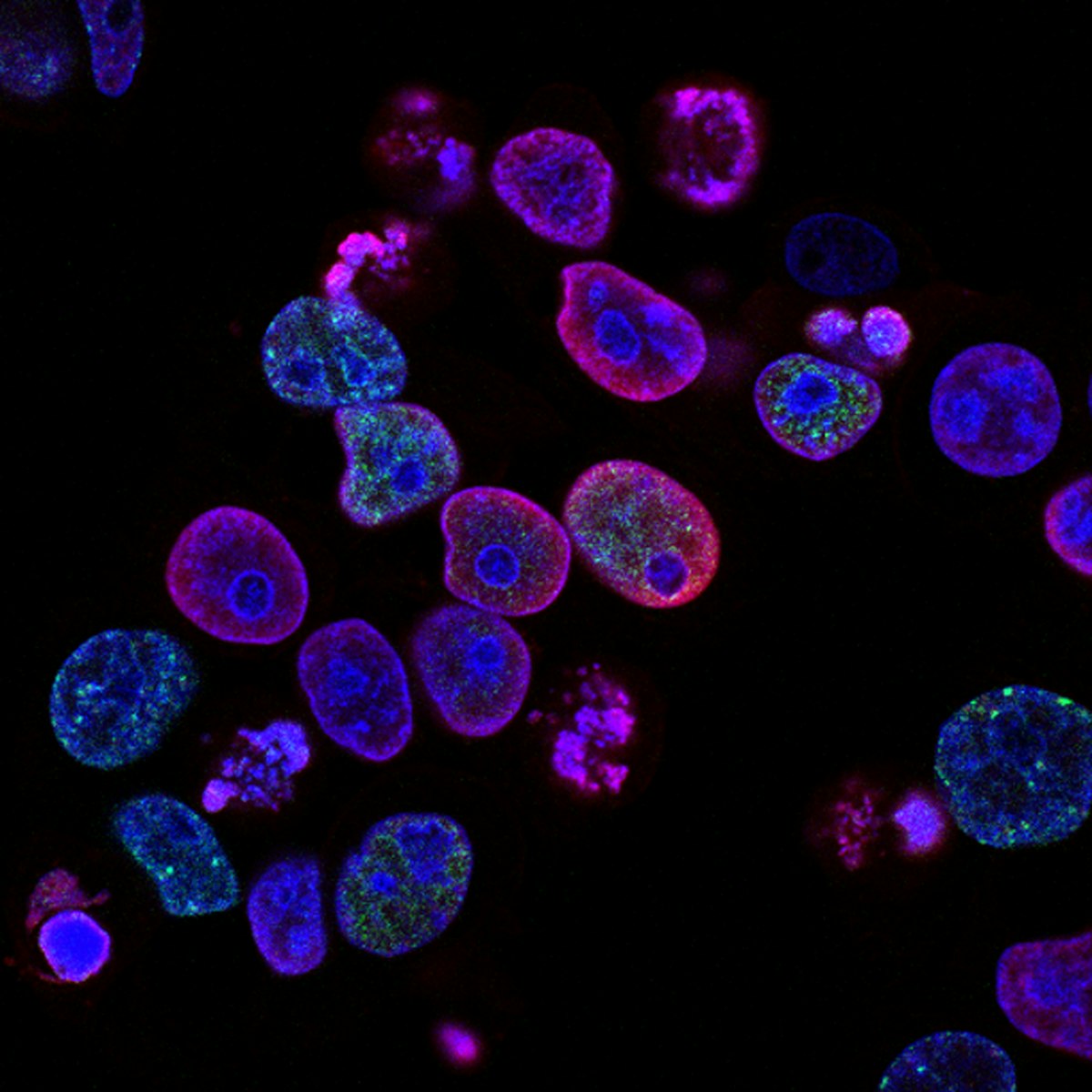
Urolithin A: The Mitochondrial Health Supplement Research Review
Explore Urolithin A, a postbiotic compound derived from pomegranate, and its potential to enhance mitochondrial health, muscle function, and longevity through mitophagy.
Table of Contents
SUPPLEMENT NOTICE
The supplements discussed in this article are not intended to diagnose, treat, cure, or prevent any disease. Dosages mentioned reflect those used in specific research studies and should not be interpreted as recommendations. Always consult a healthcare professional before beginning any supplement regimen, especially if you have existing health conditions or take medications.
Urolithin A: The Mitochondrial Health Supplement Research Review
The quest for healthy aging often leads us down complex biochemical pathways, deep within the very cells that comprise our being. At the heart of cellular vitality lie mitochondria, often dubbed the “powerhouses of the cell.” These tiny organelles are responsible for generating the vast majority of the energy our bodies need to function. As we age, mitochondrial function can decline, leading to reduced energy, muscle weakness, and an increased risk of age-related diseases. This decline is a key hallmark of aging.
In recent years, a fascinating molecule known as Urolithin A (UA) has emerged from the scientific literature, garnering significant attention for its potential to revitalize mitochondrial health and, by extension, support healthy aging. Derived from humble fruits like pomegranates, Urolithin A is not directly consumed but rather created through an intricate interaction between our diet and our gut microbiome. This article delves into the science behind Urolithin A, exploring its mechanisms, the evidence supporting its benefits, and its potential role as a longevity supplement.
What Exactly is Urolithin A?
Urolithin A is a postbiotic compound, meaning it’s a beneficial byproduct created by the metabolism of certain gut bacteria. It’s not found directly in foods, but rather its precursors are. These precursors are a class of polyphenols called ellagitannins, abundantly present in pomegranates, as well as in smaller amounts in berries (like raspberries, blackberries, and strawberries) and some nuts (such as walnuts and pecans).
When we consume foods rich in ellagitannins, our gut microbiota breaks them down through a series of enzymatic reactions, eventually converting them into urolithins, with Urolithin A being the most prominent and biologically active form. However, not everyone’s gut microbiome is equally adept at this conversion. Individual differences in gut bacterial composition can significantly impact the amount of Urolithin A produced, with some individuals being “high producers,” “low producers,” or even “non-producers” (García-Mantrana et al., 2021; PMID: 34199920). This variability highlights why direct supplementation with Urolithin A might be a more reliable way to ensure optimal levels in the body.
The Core Mechanism: Urolithin A and Mitophagy
The primary mechanism through which Urolithin A is believed to exert its beneficial effects is by stimulating a cellular process called mitophagy. To understand mitophagy, it’s helpful to first understand a broader cellular process called autophagy (often translated as “self-eating”). Autophagy is the body’s natural recycling program, where cells clear out damaged or dysfunctional components to make way for new, healthy ones. It’s crucial for cellular maintenance, repair, and overall health.
Mitophagy is a specialized form of autophagy specifically targeting mitochondria. Healthy mitochondria are vital for energy production, but over time, they can become damaged due to oxidative stress, wear and tear, or other cellular insults. These damaged mitochondria can become inefficient, produce harmful reactive oxygen species (ROS), and contribute to cellular dysfunction and inflammation. Mitophagy acts as a quality control mechanism, selectively identifying and removing these compromised mitochondria, ensuring that only healthy, efficient powerhouses remain.
Why is Mitophagy so Important for Longevity?
- Optimized Energy Production: By removing damaged mitochondria, mitophagy ensures that the remaining mitochondrial population is highly efficient at producing ATP (adenosine triphosphate), the cell’s energy currency.
- Reduced Oxidative Stress: Dysfunctional mitochondria are a major source of harmful ROS. Removing them helps reduce cellular oxidative stress, which is a key driver of aging and age-related diseases.
- Cellular Resilience: A robust mitophagy pathway helps cells adapt to stress and maintain their vitality, protecting against cellular senescence and programmed cell death.
- Muscle Health: Given that muscle cells are highly energy-intensive, maintaining healthy mitochondria through mitophagy is particularly crucial for muscle function, strength, and endurance, which often decline with age (sarcopenia).
Early research, notably from the laboratory of Dr. Johan Auwerx and his team at EPFL (École Polytechnique Fédérale de Lausanne) in Switzerland, demonstrated Urolithin A’s remarkable ability to induce mitophagy. Their landmark study in Nature Medicine showed that Urolithin A significantly activated mitophagy in various models, including C. elegans (a microscopic worm), rodents, and human cells. This activation led to improved muscle function and increased lifespan in C. elegans (Ryu et al., 2016; PMID: 27435154). This groundbreaking work positioned Urolithin A as a leading candidate for mitochondrial health interventions.
Beyond Mitophagy: Other Potential Mechanisms
While mitophagy is considered its core function, Urolithin A may also contribute to cellular health through other mechanisms:
- Mitochondrial Biogenesis: Some research suggests Urolithin A might not only clear out old mitochondria but also stimulate the creation of new ones, a process called mitochondrial biogenesis. This dual action could lead to a younger, more robust mitochondrial network (Andrade et al., 2021; PMID: 33924763).
- Anti-inflammatory Effects: Urolithin A appears to possess anti-inflammatory properties, potentially by modulating inflammatory pathways. Chronic low-grade inflammation, often referred to as “inflammaging,” is another significant contributor to age-related decline (D’Amico et al., 2021; PMID: 33716616; Singh et al., 2022; PMID: 35165600).
- Antioxidant Activity: While not a direct antioxidant in the traditional sense, by enhancing mitophagy and reducing dysfunctional mitochondria, Urolithin A indirectly helps reduce cellular oxidative stress.
Key Research Findings: Urolithin A in Clinical Studies
The promising results from preclinical studies have paved the way for human clinical trials, which are crucial for understanding Urolithin A’s efficacy and safety in people. Several notable studies have shed light on its potential benefits, particularly concerning muscle health.
1. Improved Muscle Endurance in Older Adults: A randomized, double-blind, placebo-controlled trial published in JAMA Network Open investigated the effects of Urolithin A supplementation in healthy elderly individuals (65-90 years old). Participants received either 500 mg or 1000 mg of Urolithin A daily for four months. The study found that both doses significantly improved muscle endurance, particularly in handgrip and leg strength tests, compared to the placebo group. While no significant increase in muscle mass was observed, the improvements in endurance suggest enhanced mitochondrial function and cellular health within muscle tissue (Singh et al., 2021; PMID: 33857317). This study was a significant step in demonstrating Urolithin A’s practical benefits.
2. Enhanced Muscle Strength and Quality of Life: Another randomized clinical trial focused on the impact of Urolithin A on muscle strength and quality of life in older adults aged 65-85. Participants received 1000 mg of Urolithin A daily for four months. The results indicated that Urolithin A supplementation led to significant improvements in hamstring strength and overall physical endurance. Furthermore, participants reported improvements in their quality of life, particularly concerning physical health and vitality. This study further supports Urolithin A’s potential to counteract age-related muscle decline (Ammann et al., 2022; PMID: 35508822).
3. Biomarker Evidence of Mitochondrial Health: Beyond physical performance, research has also looked at cellular biomarkers. Studies have shown that Urolithin A supplementation can lead to changes in gene expression related to mitochondrial biogenesis and function, as well as reductions in plasma markers of inflammation. These molecular changes align with the hypothesis that Urolithin A is indeed influencing mitochondrial health at a fundamental level (Andrade et al., 2021; PMID: 33924763).
These human trials, largely spearheaded by companies like Amazentis in collaboration with academic institutions like EPFL, provide compelling evidence that Urolithin A is a promising compound for supporting mitochondrial health and mitigating age-related muscle decline in humans.
Dietary Sources of Urolithin A Precursors
As mentioned, Urolithin A is not found directly in food but is synthesized by gut bacteria from ellagitannins. Here are the primary dietary sources of these precursors:
- Pomegranates: By far the richest source of ellagitannins. Consuming fresh pomegranate fruit, juice, or extracts can provide these precursors.
- Berries: Raspberries, blackberries, strawberries, and cloudberries contain varying amounts of ellagitannins.
- Nuts: Walnuts, pecans, and almonds contain smaller quantities.
- Oak-aged beverages: Wine and spirits aged in oak barrels can also contain ellagitannins leached from the wood.
The Gut Microbiome Factor: It’s crucial to reiterate that the conversion of ellagitannins to Urolithin A is entirely dependent on the presence and activity of specific gut bacteria. Without the right microbial profile, you might consume plenty of pomegranate but produce very little Urolithin A. Factors like diet, genetics, antibiotic use, and overall gut health can influence this conversion efficiency. This variability is a key reason why Urolithin A supplementation has gained traction, as it bypasses the need for microbial conversion, delivering the active compound directly.
Urolithin A vs. Other Longevity Compounds: A Comparison
The longevity supplement landscape is rich with compounds that aim to support healthy aging through various mechanisms. How does Urolithin A stand out, or how does it complement others?
| Feature / Compound | Urolithin A | NMN / NR (NAD+ Precursors) | Resveratrol | Spermidine | CoQ10 |
|---|---|---|---|---|---|
| Primary Mechanism | Activates mitophagy (damaged mitochondrial clearance) | Boosts NAD+ levels (critical for energy & DNA repair) | Activates sirtuins (longevity pathways) | Induces autophagy (cellular recycling) | Supports electron transport chain (ATP production) |
| Target Organelle | Mitochondria (clearance & function) | Mitochondria (function), Nucleus (DNA repair) | Mitochondria (function), Nucleus (gene expression) | General cellular (recycling) | Mitochondria (energy production) |
| Source | Postbiotic from ellagitannins (pomegranate) | Naturally occurring, some foods (e.g., broccoli, avocado) | Red wine, grapes, berries | Aged cheese, mushrooms, legumes, whole grains | Organ meats, fatty fish, spinach |
| Key Benefit | Improved muscle endurance & strength, mitochondrial health | Energy metabolism, DNA repair, cellular resilience | Anti-inflammatory, antioxidant, metabolic health | Cellular renewal, anti-inflammatory | Energy production, antioxidant |
| Potential Synergy | Could complement NAD+ boosters for overall mitochondrial health. | Synergistic with Urolithin A for mitochondrial function. | May work with Urolithin A for broader cellular health. | Similar action to Urolithin A, but broader autophagy. | Directly supports Urolithin A’s goal of mitochondrial health. |
While Urolithin A’s primary focus on mitophagy makes it unique, it’s important to recognize that many longevity pathways are interconnected. For instance, boosting NAD+ levels (with NMN or NR) is crucial for mitochondrial function, and efficient mitophagy (stimulated by Urolithin A) ensures that NAD+ is used by healthy mitochondria. Similarly, resveratrol activates sirtuins, which also play roles in mitochondrial health and stress response. Therefore, Urolithin A may be considered a valuable addition to a comprehensive longevity strategy, potentially synergistic with other compounds.
Practical Takeaways and Actionable Information
For individuals interested in leveraging the potential benefits of Urolithin A, here are some practical considerations:
1. Consider Urolithin A Supplementation: Given the variability in individual Urolithin A production from dietary precursors, supplementation offers a more reliable way to ensure consistent intake of the active compound.
- Amounts studied: Human trials have examined daily amounts ranging from 500 mg to 1000 mg of specific Urolithin A formulations. These are study details, not personal dosage recommendations, and product marketing should not substitute for advice from a qualified healthcare professional.
- Formulation: Look for supplements that provide Urolithin A in a bioavailable form. Some manufacturers use sustained-release formulations or combine Urolithin A with other ingredients that may enhance its absorption or efficacy.
- Quality and Purity: Choose products from reputable brands that provide third-party testing for purity and potency. This ensures you are getting the active ingredient in the stated amount and free from contaminants.
2. Incorporate Ellagitannin-Rich Foods: Even if your gut microbiome isn’t a high producer of Urolithin A, consuming foods rich in ellagitannins (like pomegranates and berries) is beneficial for overall health due to their broad antioxidant and anti-inflammatory properties. These foods contribute to a diverse gut microbiome, which may, in turn, improve your ability to produce Urolithin A.
3. Support Gut Microbiome Health: A healthy and diverse gut microbiome is crucial for many aspects of health, including the potential production of Urolithin A.
- Dietary Fiber: Consume a wide variety of fiber-rich foods (fruits, vegetables, whole grains, legumes) to nourish beneficial gut bacteria.
- Probiotics/Prebiotics: Consider incorporating fermented foods or probiotic supplements, and prebiotic fibers to support a balanced gut flora.
4. Combine with a Healthy Lifestyle: No single supplement is a magic bullet. Urolithin A’s potential benefits are best realized within the context of a healthy lifestyle that includes:
- Regular Exercise: Physical activity itself is a powerful stimulator of mitochondrial biogenesis and health.
- Balanced Diet: A nutrient-dense diet supports overall cellular function.
- Adequate Sleep: Sleep is essential for cellular repair and regeneration.
- Stress Management: Chronic stress can negatively impact cellular health.
Safety and Side Effects: Clinical studies to date indicate that Urolithin A supplementation is generally well-tolerated with no serious adverse effects reported at the dosages used in trials (500-1000 mg/day). Mild gastrointestinal discomfort has been reported in a small percentage of participants, similar to placebo groups. However, as with any supplement, it is always recommended to consult with a healthcare professional before starting Urolithin A, especially if you have existing health conditions, are pregnant or breastfeeding, or are taking other medications.
The Future of Urolithin A Research
The journey of Urolithin A research is still relatively young, but rapidly expanding. Future studies are likely to explore:
- Broader Health Applications: While muscle health has been a primary focus, research may expand into other areas where mitochondrial dysfunction plays a role, such as cardiovascular health, neurodegenerative diseases, metabolic disorders, and immune function.
- Optimal Dosing and Delivery: Further research may refine optimal dosages for specific populations or conditions, and explore advanced delivery systems to maximize bioavailability.
- Synergistic Combinations: Investigating how Urolithin A interacts with other longevity compounds (e.g., NAD+ boosters, senolytics) to achieve enhanced benefits.
- Long-term Effects: Longer-duration studies are needed to fully understand the sustained impact of Urolithin A supplementation on various biomarkers of aging and health outcomes.
- Individual Variability: Deeper understanding of how individual gut microbiomes and genetics influence Urolithin A response could lead to personalized supplementation strategies.
Researchers continue to be excited about Urolithin A’s potential. Dr. Johan Auwerx, a pioneer in this field, has expressed optimism about its role in combating age-related muscle decline and improving overall healthspan. Institutions like the EPFL and companies like Amazentis are at the forefront of driving this research forward.
Conclusion
Urolithin A represents a compelling frontier in the field of longevity science. As a postbiotic derived from natural compounds, it offers a novel approach to enhancing mitochondrial health through the targeted activation of mitophagy. The growing body of evidence, including promising human clinical trials, suggests that Urolithin A supplementation may play a significant role in improving muscle endurance and strength, thereby contributing to a healthier and more active aging process.
While not a “ineffective treatment,” Urolithin A appears to be a powerful tool in our arsenal against cellular aging. For those seeking to proactively support their mitochondrial function and maintain vitality as they age, Urolithin A offers a scientifically backed option. As research continues to unfold, its full spectrum of benefits and optimal applications are likely to become even clearer, solidifying its place as a key player in the longevity supplement landscape.
Frequently Asked Questions
What is Urolithin A?
How does Urolithin A support longevity?
Are Urolithin A supplements safe?
Can I get enough Urolithin A from food?
How long does it take to see benefits from Urolithin A?
Sources
- Urolithin A induces mitophagy and prolongs lifespan in C. elegans and increases muscle function in rodents(2016)
- Urolithin A supplementation improves muscle endurance in healthy elderly subjects: A randomized, double-blind, placebo-controlled trial(2021)
- Urolithin A improves muscle strength and quality of life in older adults: A randomized clinical trial(2022)
- Urolithin A and its role in mitochondrial health: an updated review(2021)
- Urolithin A improves muscle function by enhancing mitochondrial health and biogenesis(2021)
- Gut microbiota and urolithin A: a new link in the prevention of chronic diseases(2021)
- Urolithin A, a Postbiotic from Pomegranate, Ameliorates Chronic Inflammation and Metabolic Dysfunction(2022)
Stay Updated on Longevity Science
Weekly research digests. No spam, unsubscribe anytime.
Related Articles
Alpha-Ketoglutarate (AKG) and Aging: What Research Reveals
Explore how alpha-ketoglutarate (AKG) may influence aging through epigenetic regulation, mitochondrial function, and cellular energy metabolism.
12 min read
Alpha-Lipoic Acid and Aging: The Universal Antioxidant for Longevity
Explore how alpha-lipoic acid supports aging through antioxidant recycling, glucose metabolism, and mitochondrial function. Review the clinical evidence.
11 min readApigenin for Longevity: Benefits, Research, and What Science Reveals
Apigenin, found in chamomile and parsley, may support longevity through NAD+ preservation and senolytic effects. Review the latest research.
9 min read